 Book a Tour
 Enquire Now
 CCS Estimator


Teamwork is an incredibly important part of children’s formative years. It creates the foundations of their social, emotional and cognitive development. Collaborative learning helps children understand how to communicate, take turns, empathise and problem-solve effectively.
Introducing the need for teamwork at an early age gives children the confidence to navigate a range of social situations throughout their lives. It provides them with the skills required to succeed in future schooling, as they are constantly introduced to new challenges.
At Heritage House Early Education Centres, we incorporate collaborative and team-building tasks into our everyday learning program. Our experienced educators foster a sense of community and help children grow into social, confident, and empathetic individuals.
In this blog, we’ll discuss how teamwork plays a pivotal role in supporting early childhood development and relationship building.
Cooperative learning allows children to develop a strong vocabulary as they become familiar with using new words and sentence structures. It also helps them understand the nuances of verbal and nonverbal communication.
Language development in early childhood is supported when children have opportunities to converse, ask questions, play roles, take turns, and express their thoughts and opinions clearly. Children’s teamwork also involves active listening and responding appropriately to other people’s opinions and needs.
Each of these opportunities is crucial for helping children feel comfortable using language to work towards a common goal and grow up to be effective leaders.
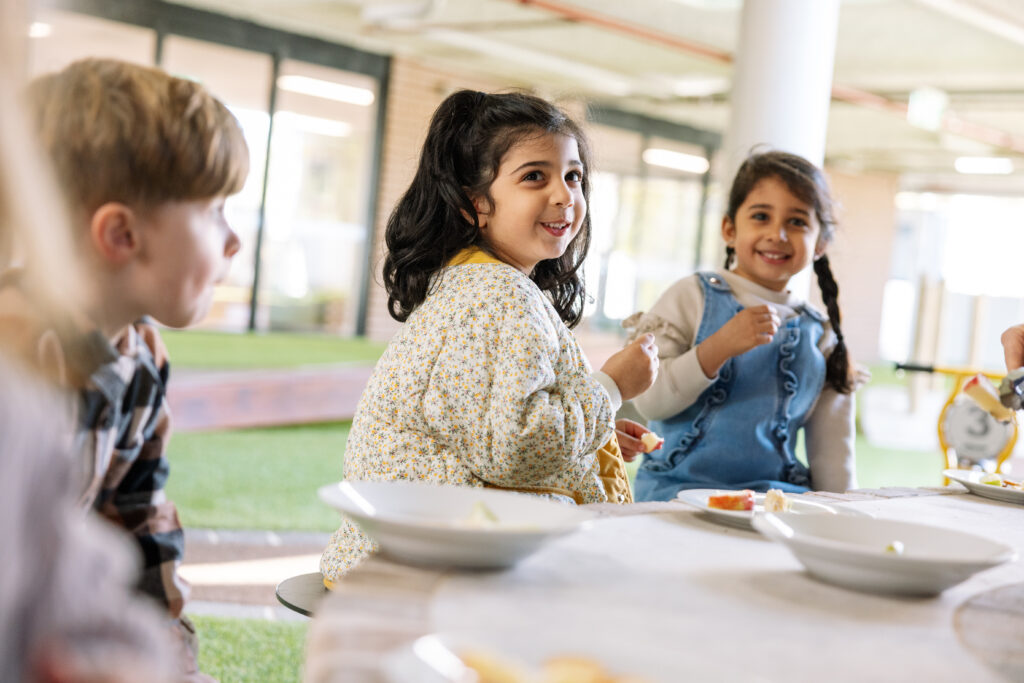
Teamwork often involves disagreements and setbacks. Regular collaboration gives children the resilience to navigate these difficult situations and move forward. Issues during group activities encourage children to work together to brainstorm solutions and think critically. Quality early education provides children with a safe, supportive space to collectively tackle challenges with confidence and refine their conflict-resolution skills.
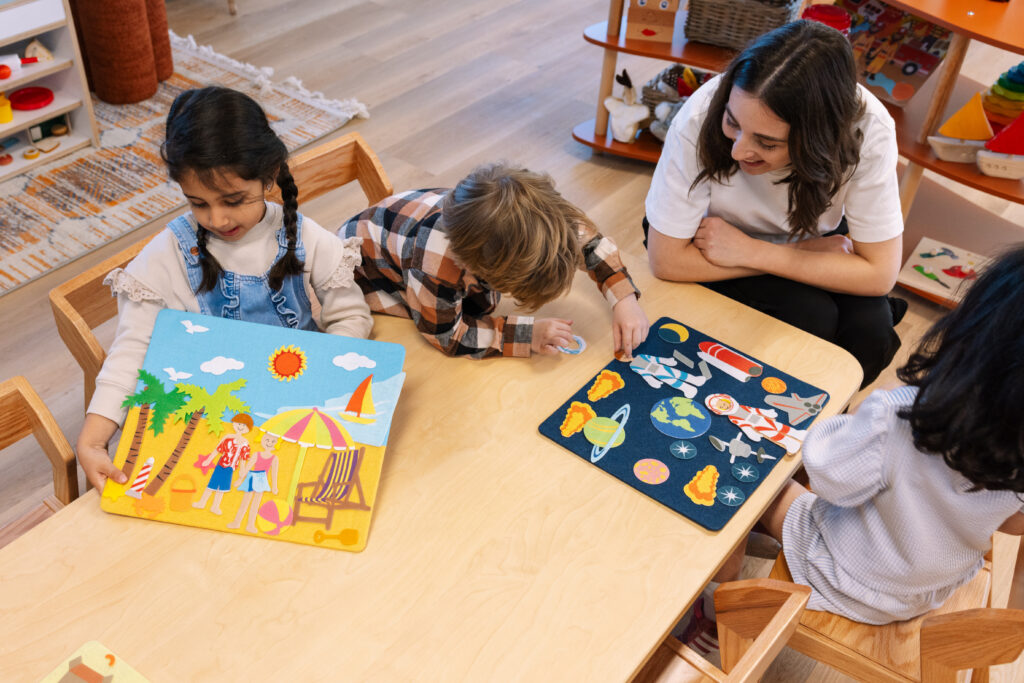
Collaboration from an early age helps little learners understand their feelings, communicate them effectively and start to develop their emotional intelligence. Interacting with others helps children know how to manage their emotions and frustrations. Working as a team also helps reduce young children’s anxiety, as they feel confident to flourish in a supportive learning environment.
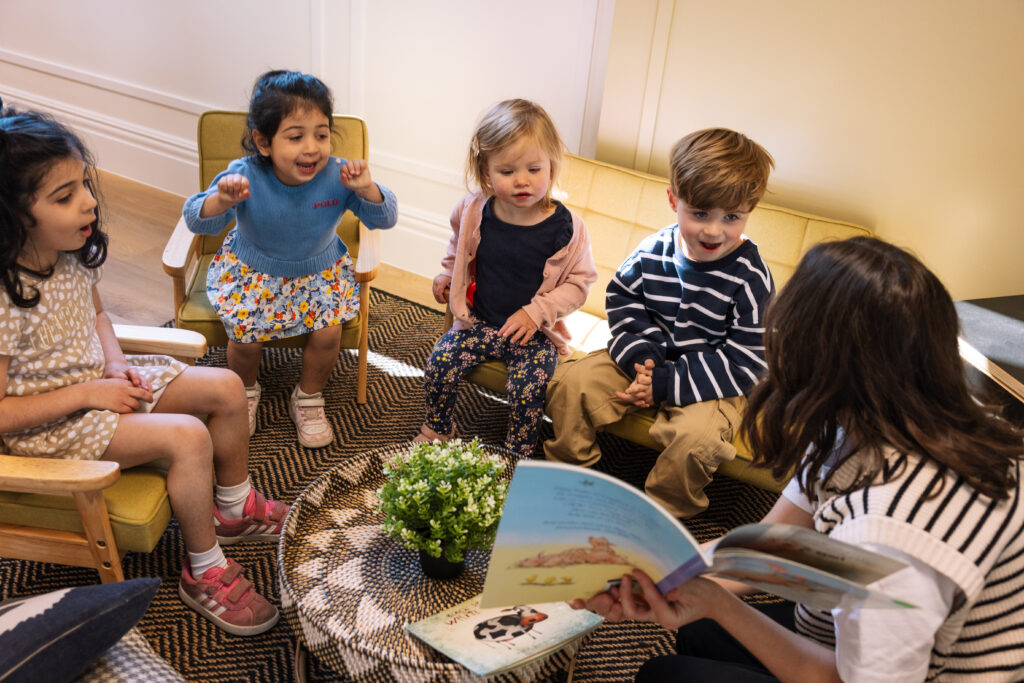
Working as a team requires children to consider others’ perspectives, recognise their feelings and respond accordingly. Stepping into different roles and understanding others’ emotions helps children foster empathy, which is crucial for building strong, long-lasting relationships. By collaborating, children can celebrate the joys of success together and share responsibilities across every step of the problem-solving process.
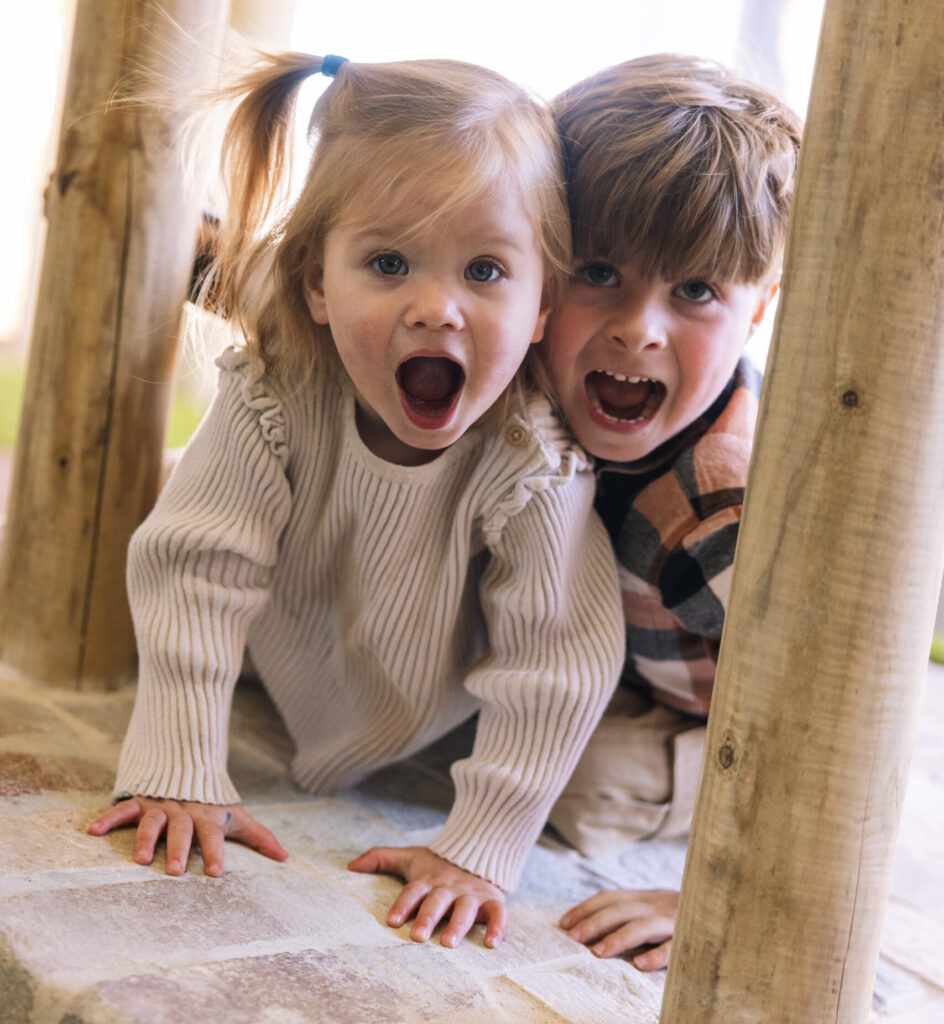
Collaborative play often involves children engaging in imaginative scenarios that require them to use their creativity to make stories, solve mysteries, and build alternative worlds. Group art projects require children to work together to express themselves, draw inspiration from others and communicate one cohesive message.
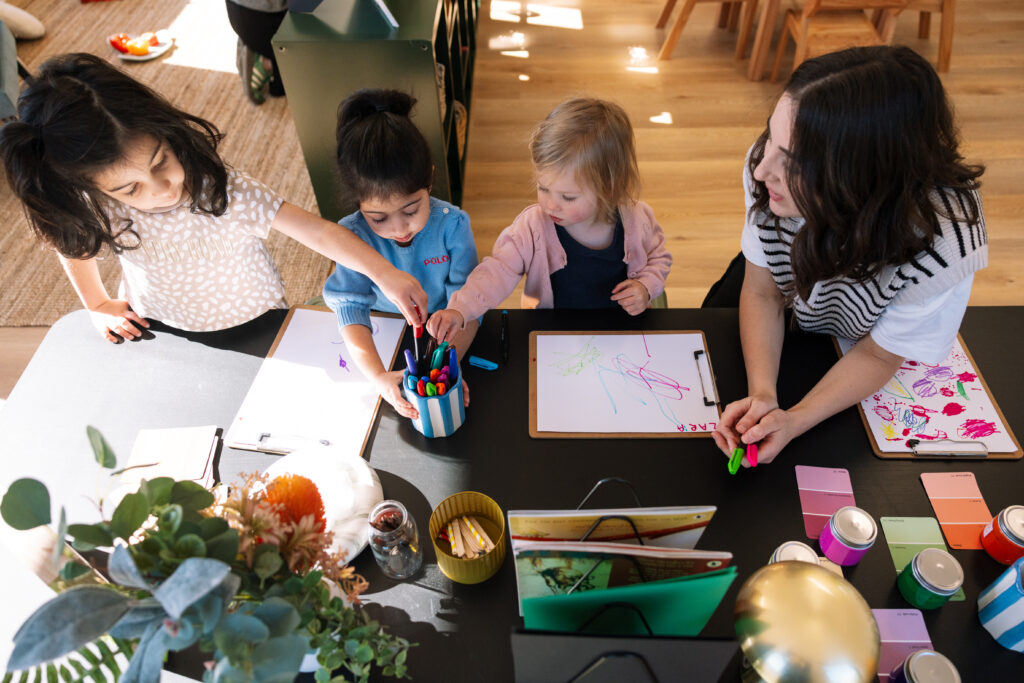
Social confidence plays a crucial role in preparing a child for future schooling. Engaging in collaborative tasks helps students adapt to a structured learning environment from an early age. Group projects help children understand the key role of strong peer support and mutual motivation in overcoming challenges. Having strong communication skills helps children excel academically, as they know how to engage positively with their peers and teachers and to participate confidently in group activities.
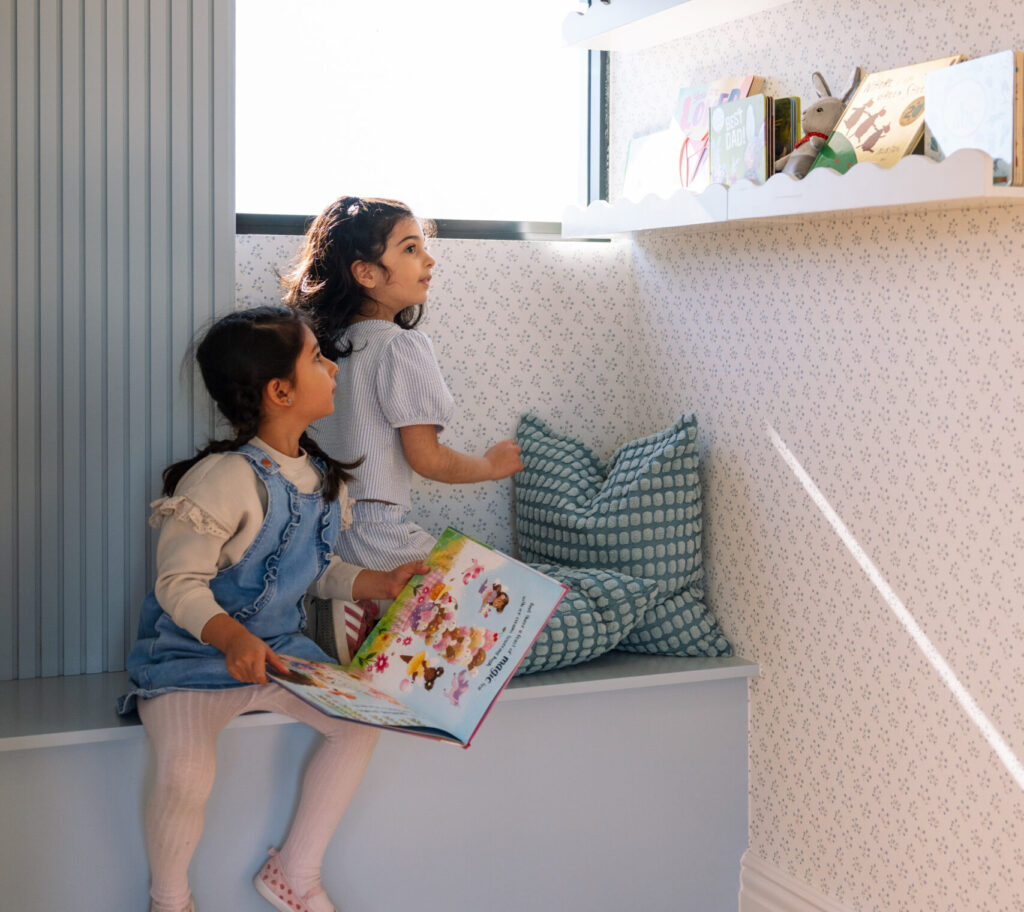
At Heritage House, we incorporate teamwork into our everyday life, with a strong focus on play-based learning, shared storytelling and small-group activities. Our children regularly collaborate through shared puzzles, brain teasers, sports programs, STEAM experiments and arts and crafts projects.
The Heritage House curriculum uses collaboration to help children build foundational skills, ensuring they can think critically in their future education and beyond. Our highly experienced educators create safe, supportive environments where children can work together to solve problems, develop strong relationships and grow confidence and self-esteem.
Our curriculum also aligns with the principles of the Early Years Learning Framework (EYLF) and utilises teamwork to support effective communicators and confident life learners.
To learn more about how we use collaboration to foster development in early childhood, book a tour of your local centre or contact us today!