 Book a Tour
 Enquire Now
 CCS Estimator


Whether it’s picking up pieces or learning new shapes, puzzles offer children many surprising opportunities to extend their physical and cognitive skills. They help children become more familiar with alphabets, numbers and animals, and provide strategies that are beneficial for future learning.
At Heritage House Childcare & Early Learning Centres, we use jigsaw activities to lay the foundations for independent thinking. Our experienced educators support children in accepting challenges, dealing with setbacks and testing new ideas.
In this blog, we’ll explore the significance of puzzles in kickstarting early childhood development.
Puzzles require children to grab, pick up, move and twist pieces to complete a task. This strengthens the small muscles in your hands, wrists and fingers. Over time, these activities can improve children’s dexterity and help them perform other detail-oriented tasks, such as writing, eating and brushing their teeth.
Completing large-format, floor or puzzle-stacking games also develops children’s gross motor skills. Participating in more complex brain teasers requires using the large muscle groups in your arms, legs and torso.
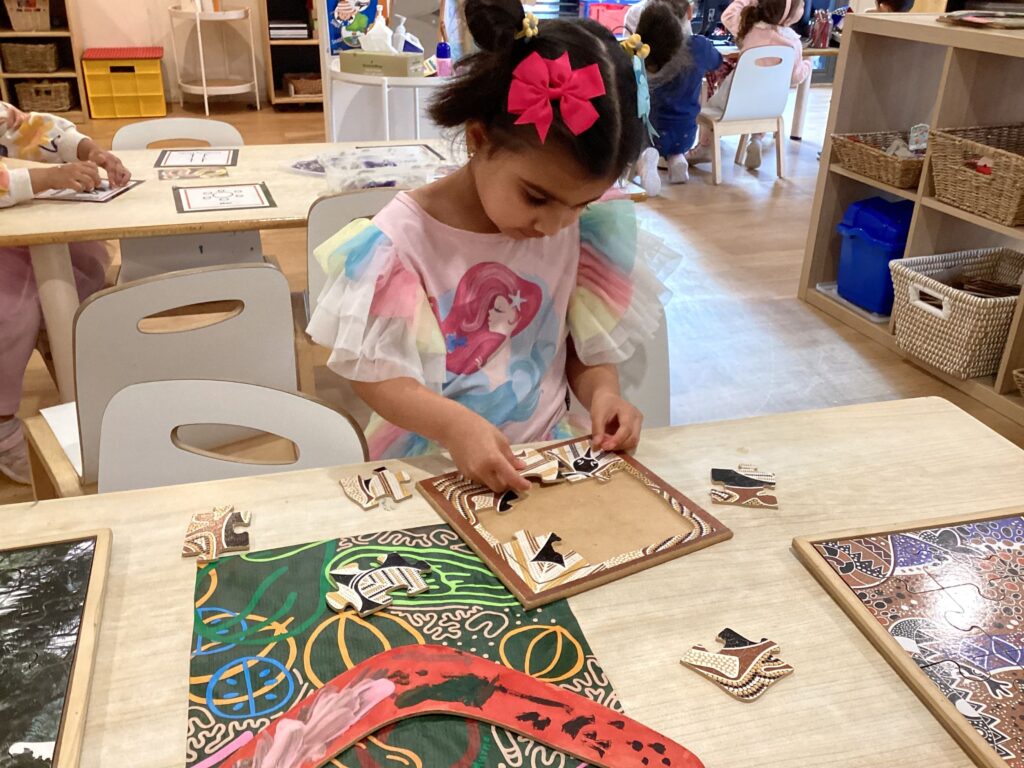
Engaging with topics such as colours, shapes and animals helps children naturally extend their vocabulary. Puzzles encourage children to improve their language by requiring them to learn new concepts, images and ideas. Completing puzzles in a group also allows children to use their words to request certain pieces, explain their process and follow directions from their peers. Jigsaws combined with teamwork are the perfect opportunity to extend children’s communication skills and self-expression.
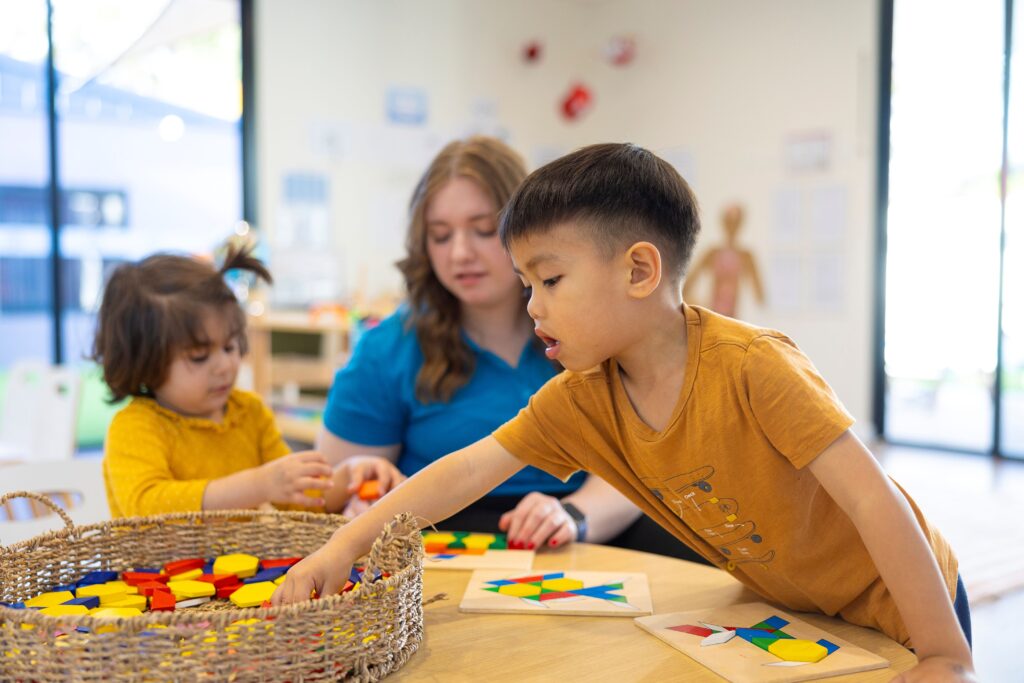
Jigsaw activities increase short-term memory because they require children to trace their previous steps and remember where certain pieces are placed. Memory is such an important part of visualising an end result, testing ideas, solving problems and planning throughout a puzzle. Using pattern recognition to remember certain shapes, colours and positions throughout the process may also be useful. With improved short-term memory, children can focus on tasks for longer.
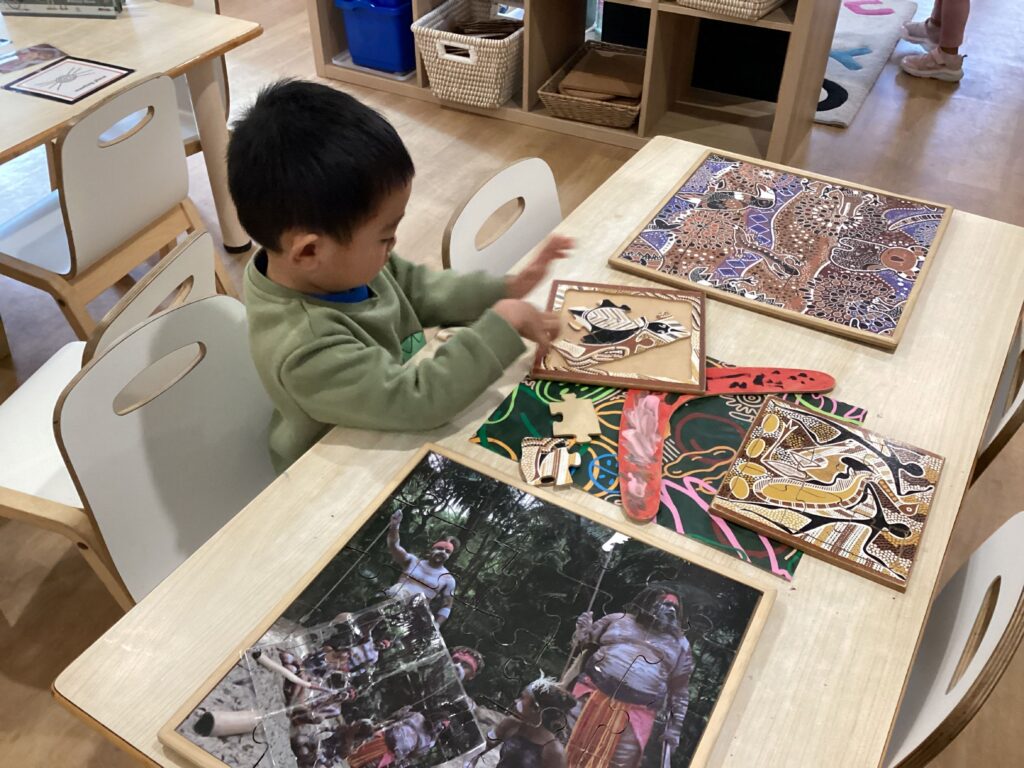
Long-term puzzle practice improves hand-eye coordination, helping children confidently plan their next steps. This coordination can also be strengthened as children engage in trial-and-error while solving brain teasers, which helps develop sustained concentration.
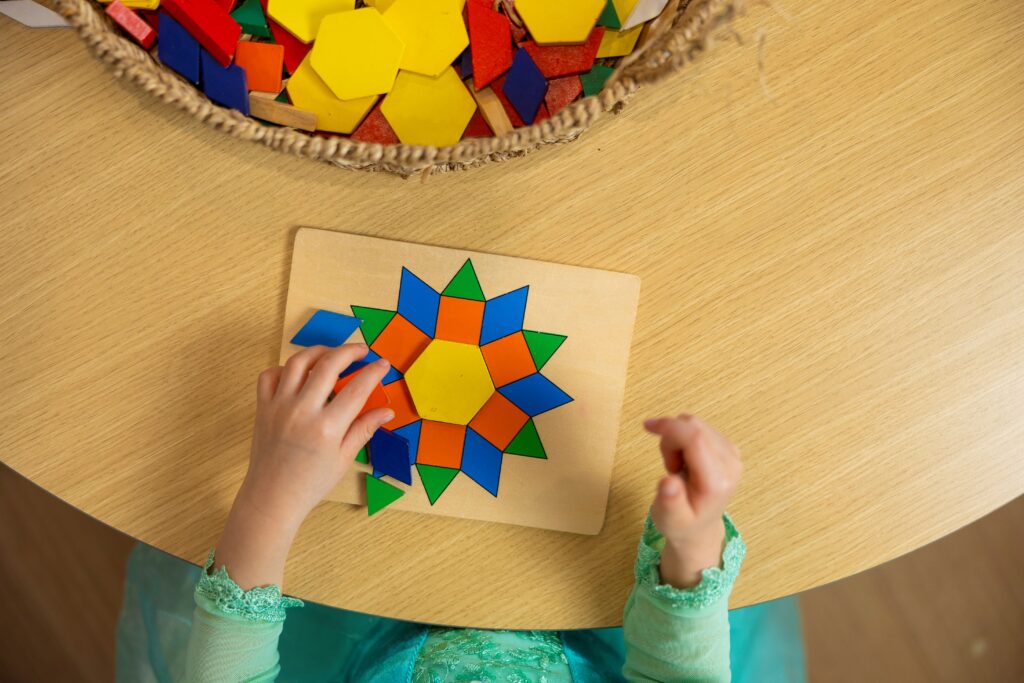
Puzzles encourage the use of analytical reasoning and logical thinking skills. They present children with a series of challenges that require problem-solving skills. Strategies children could adopt to complete these tasks include identifying the edge pieces, creating the outline first or sorting out pieces by colour or shape. The more experience children have with puzzles, the more confident they will be in approaching future challenges.
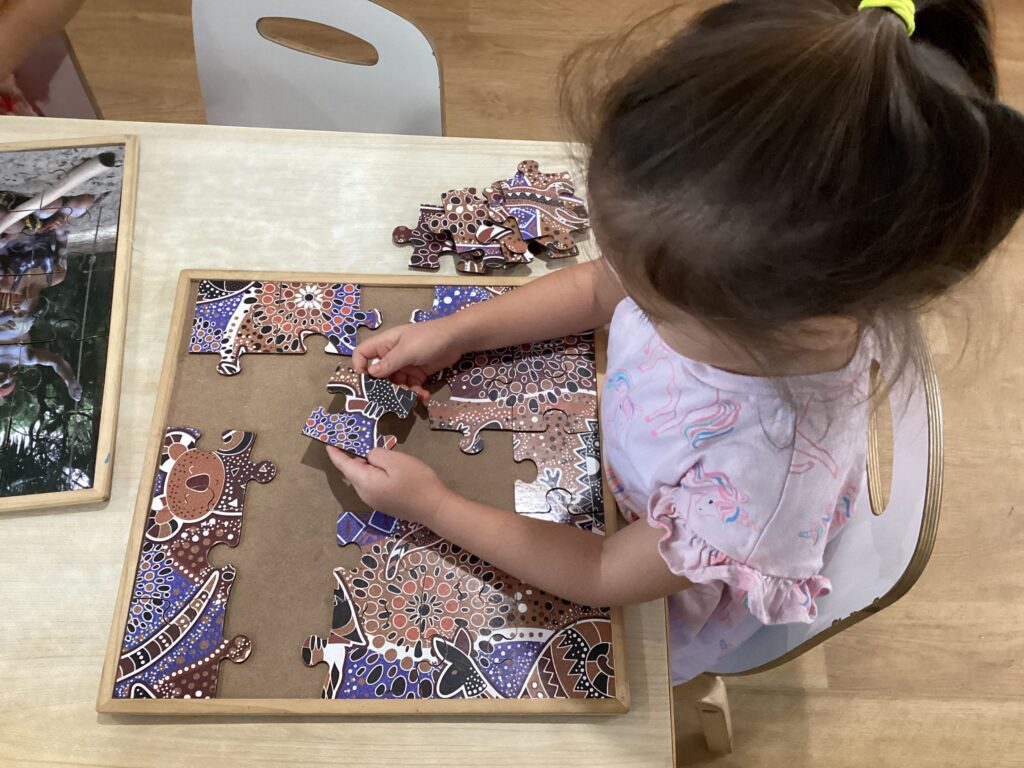
Completing a jigsaw puzzle is a clear symbol of achievement for children. It provides a sense of accomplishment and helps them feel competent about finishing a task on their own. These challenges can foster a growth mindset by reinforcing children’s self-esteem and increasing their motivation to try new things. Added self-confidence helps children develop perseverance in times of stress and difficulty.
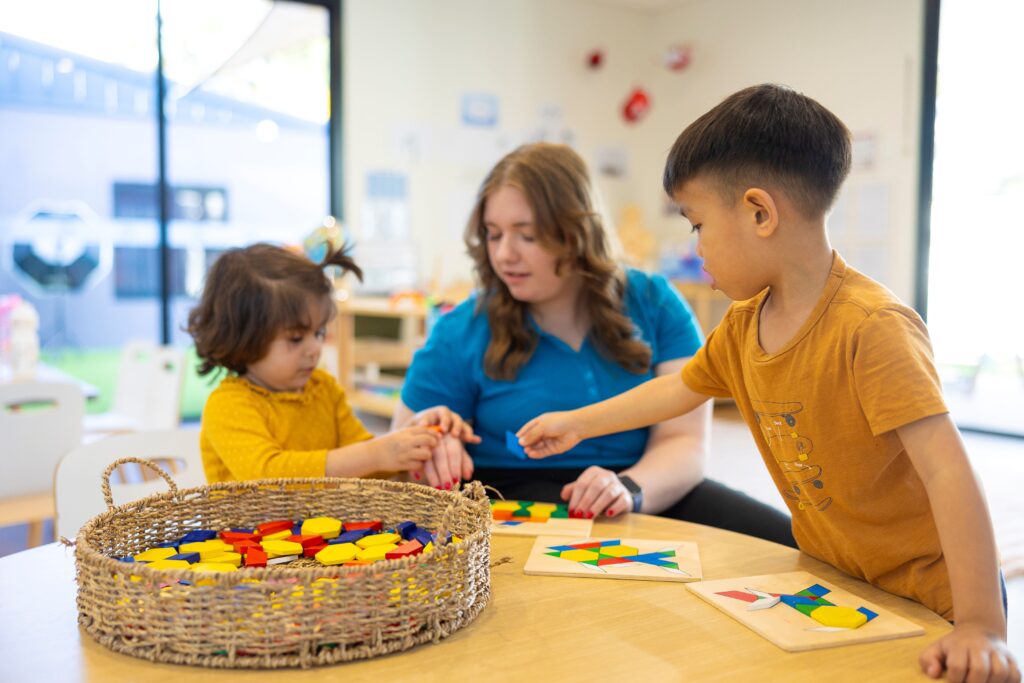
At Heritage House, we encourage children to unlock their problem-solving abilities through puzzles. Incorporating these brain teasers into our everyday learning equips children with the foundational skills needed to approach challenges in real-life situations.
Our experienced educators create safe, nurturing environments where children can solve problems while developing colour, shape and pattern recognition. Founded on the principles of the Early Years Learning Framework (EYLF), the Heritage House curriculum utilises jigsaw activities to support confident life learners.
To learn more about how we use puzzles to foster growth in early childhood, book a tour of your local centre or contact us today!